Water damage restoration costs $1,300 to $5,900 for a typical claim, or $3.75 to $7 per square foot to dry clean water without demolition. Category 3 work runs $12 to $25 or more per square foot. Extraction starts the same day, and drying a contained loss takes three to five days.
| Job | Typical US range |
|---|---|
| Water damage restoration, whole claim | $1,300 to $5,900 |
| Clean water (Category 1), drying without demolition | $3.75 to $7 per sq ft |
| Gray water (Category 2), partial drywall and flooring removal | $7 to $12 per sq ft |
| Black water (Category 3), full demolition and structural drying | $12 to $25+ per sq ft |
| Mold remediation, contained area | $1,100 to $3,400 |
Source: Angi and operator-published rate cards compiled August 2026, cross-checked against local operator pricing , TX. Ranges are national and a range is never a quote.
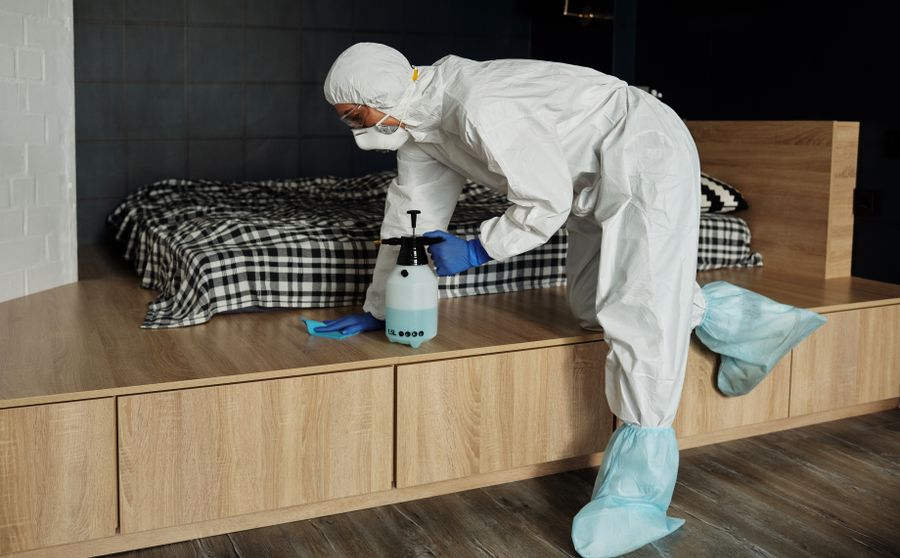
Extraction comes before assessment, because standing water is doing damage while anyone is measuring it. Once the water is out, the category is established, the affected materials are mapped with a moisture meter, and drying equipment is set on the same visit.
The most expensive mistake is not the delay in calling. It is drying a floor that looks dry while the wall cavity behind the baseboard stays wet, because that is where mold starts and it is not visible until it is a remediation job rather than a drying job.
The second is signing a work authorisation before anyone has stated the water category in writing. Category is what sets the price, and a scope that does not name it can be revised upward later without contradiction.
$3.75 to $7 per square foot for Category 1 clean water dried without demolition, $7 to $12 for Category 2 with partial drywall and flooring removal, and $12 to $25 or more for Category 3 where full demolition and structural drying are needed.
No. Policies require you to mitigate further damage, and waiting usually increases the loss rather than protecting the claim. Photograph everything before anything is moved, then let extraction start.
For a small clean-water spill caught immediately, sometimes. Household fans move air but do not remove moisture from the air the way a dehumidifier does, so beyond a small area you are moving damp air around rather than drying the structure.
The same day. Clean water degrades to a costlier category as it stands, and mold can begin on a wet material within 24 to 48 hours, so response time changes the invoice as much as the size of the loss.
The water category and the reasoning for it, the affected materials by room, the drying target, and the price. A scope that does not name the category can be revised upward later without ever contradicting itself.
No. Insurers maintain preferred vendor programmes, but you choose the contractor. What the insurer controls is what it will pay, which is why a written scope priced before work starts matters more than who recommended whom.
Emergency Response
Call and a crew is dispatched - extraction the same day, drying equipment set the same visit, and the documentation your claim needs from the first hour.