Sewage backup is Category 3 under the IICRC S500 standard, so porous materials are removed and replaced rather than cleaned and dried. That is why it runs $12 to $25 or more per square foot, roughly triple clean water. It is also the one water loss where cleaning it yourself is genuinely unsafe.
Sewage is Category 3 under the IICRC S500 standard: water carrying pathogens and contamination. The defining consequence is that porous materials which have been in contact with it are removed and disposed of rather than cleaned and dried. Carpet, pad, drywall below the water line and insulation generally go.
That is why the per-square-foot rate roughly triples against clean water. You are not paying for stronger cleaning; you are paying for demolition, disposal and rebuild.
Category 3 sits at the top of every range in this table, for the reason above.
| Job | Typical US range |
|---|---|
| Water damage restoration, whole claim | $1,300 to $5,900 |
| Clean water (Category 1), drying without demolition | $3.75 to $7 per sq ft |
| Gray water (Category 2), partial drywall and flooring removal | $7 to $12 per sq ft |
| Black water (Category 3), full demolition and structural drying | $12 to $25+ per sq ft |
| Mold remediation, contained area | $1,100 to $3,400 |
Source: Angi and operator-published rate cards compiled August 2026. Ranges are national and a range is never a quote.
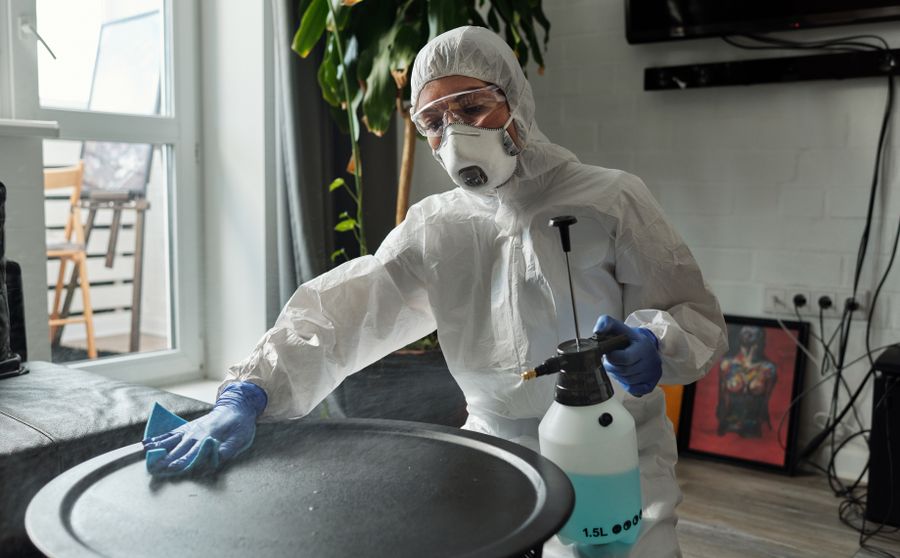
This is the one water loss where the do-it-yourself option is genuinely unsafe rather than merely inadvisable. Category 3 water carries pathogens, and the containment, protective equipment and disposal route are the whole point of hiring a crew.
Keep people and pets out of the affected area, turn off the HVAC so it does not move contaminated air through the house, and do not run a household vacuum over it.
Because the materials come out rather than being dried. Category 3 water contaminates porous materials, so carpet, pad, drywall below the water line and insulation are removed and disposed of. The cost is demolition and rebuild, not cleaning.
No. It carries pathogens, and safe handling needs containment, protective equipment and a disposal route. Keep people and pets out, switch the HVAC off so it does not circulate contaminated air, and call a crew.
Often only with a sewer backup endorsement, which is commonly an add-on rather than part of a standard policy. It is worth checking the endorsement before you need it.
Porous material that was in contact with the water: carpet and pad, drywall below the water line, insulation, and usually particle-board furniture. Non-porous surfaces can be cleaned and disinfected.
Commonly only with a sewer backup endorsement, which is an add-on rather than part of a standard policy. It is worth checking the schedule before you need it.
After contaminated material is removed, surfaces are cleaned and the structure has dried to a normal moisture reading. That is a documented state, not a guess, so ask for the readings.
Emergency Response
Call and a crew is dispatched - extraction the same day, drying equipment set the same visit, and the documentation your claim needs from the first hour.